
What is the role of a urologist in treating prostate cancer?

 Prostate cancer is a significant health concern among men, and urologists play a crucial role in its detection, diagnosis, and treatment. 
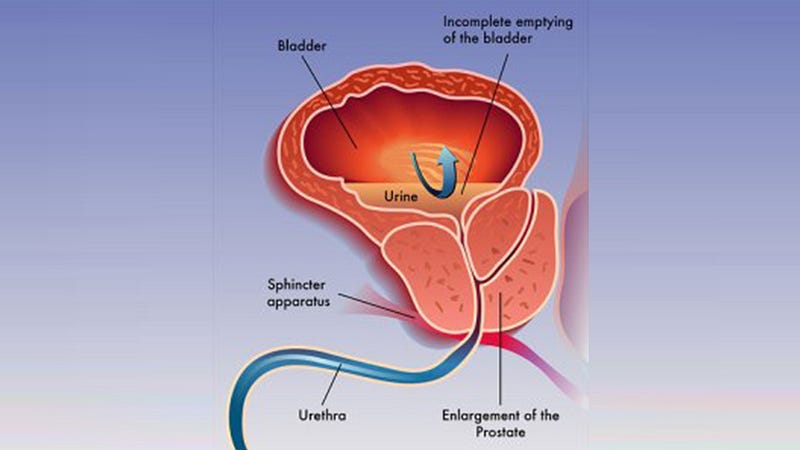
Here’s an overview of the role of a urologist in managing prostate cancer:

1. Screening and Diagnosis:

  • PSA Testing: Urologists often initiate prostate cancer screening with a prostate-specific antigen (PSA) blood test. Elevated PSA levels may indicate the need for further investigation.
  • Digital Rectal Examination (DRE): A urologist performs a DRE to physically examine the prostate gland for abnormalities such as lumps or nodules.
  • Biopsy: If suspicious findings are detected through PSA levels or DRE, a urologist may conduct a biopsy, where small tissue samples are taken from the prostate gland to confirm the presence of cancer cells.

2. Treatment Planning:

  • Collaborative Approach: Urologists work closely with oncologists and other specialists to develop a personalized treatment plan based on the stage, grade, and overall health of the patient.
  • Treatment Options: They educate patients about various treatment modalities, which may include active surveillance, surgery (radical prostatectomy), radiation therapy (external beam or brachytherapy), hormone therapy, chemotherapy, or immunotherapy.

3. Surgical Expertise:

  • Radical Prostatectomy: Urologists are skilled in performing radical prostatectomy, which involves the surgical removal of the prostate gland and surrounding tissues. This procedure is often recommended for localized prostate cancer.
  • Minimally Invasive Techniques: Many urologists specialize in minimally invasive approaches such as laparoscopic or robotic-assisted surgery, which offer quicker recovery times and reduced post-operative complications.

4. Monitoring and Follow-Up:

  • Post-Treatment Care: After treatment, urologists monitor patients closely through regular check-ups, PSA tests, and imaging studies to ensure that the cancer does not recur.
  • Management of Side Effects: They help manage side effects of treatments such as urinary incontinence, erectile dysfunction, and other complications that may arise from prostate cancer therapies.

5. Palliative Care and Support:

  • End-of-Life Care: In cases of advanced prostate cancer, urologists play a role in palliative care, focusing on symptom management and improving quality of life.
  • Patient Education: Throughout the treatment journey, urologists educate patients and their families about the disease progression, treatment options, and lifestyle modifications that can aid in recovery and overall well-being.

In essence, urologists are at the forefront of prostate cancer care, from early detection through treatment and survivorship. Their expertise and comprehensive approach ensure that patients receive tailored care, leading to better outcomes and improved quality of life.


Comments

Popular posts from this blog

What are the benefits of circumcision?

  Circumcision, the surgical removal of the foreskin from the penis, has been a topic of medical and cultural discussion for many years. The   benefits of circumcision   can be categorized into several areas: medical, hygienic, sexual, and preventative. Medical Benefits 1. Reduced Risk of Urinary Tract Infections (UTIs): — Circumcised males, particularly infants, have a lower risk of developing UTIs. UTIs can lead to serious kidney problems if left untreated. 2. Decreased Risk of Certain Sexually Transmitted Infections (STIs): — Circumcision has been shown to reduce the risk of acquiring certain STIs, including HIV, human papillomavirus (HPV), herpes simplex virus (HSV), and syphilis. 3. Prevention of Penile Problems: — Circumcision can prevent conditions such as phimosis (tight foreskin that cannot be retracted), paraphimosis (swollen foreskin trapped behind the head of the penis), and balanitis (inflammation of the glans). 4. Reduced Risk of Penile Cancer: — Although ra...

What are 5 stages of kidney failure?

  Kidney failure, also known as renal failure, is a serious medical condition where the kidneys lose their ability to function effectively. This impairment can lead to a buildup of waste and toxins in the body, causing various complications. Understanding the stages of kidney failure is crucial for both patients and healthcare providers to manage the condition effectively. Now ,we’ll explore the   five stages of kidney failure , their symptoms, causes, and potential treatments. Stage 1:  Kidney Damage with Normal or Increased Glomerular Filtration Rate (GFR) At this stage, there may be kidney damage, but the kidneys are still functioning relatively well. Patients may not experience any symptoms, and kidney function tests may show normal or slightly increased GFR (glomerular filtration rate), which measures how well the kidneys are filtering waste from the blood. Common causes of stage 1 kidney disease include diabetes, high blood pressure, and certain autoimmune diseases....

How Long Does It Take to Pass a Kidney Stone?

 Passing a kidney stone can be a challenging experience, and understanding the timeframe and factors involved can help manage expectations and guide treatment decisions. In this article, we’ll explore how long it typically takes to pass a kidney stone, what factors influence this duration, and what you can do to ease the process. 1. Typical Timeframe for Passing a Kidney Stone On average, most small kidney stones pass out of the body within 2 to 6 weeks from the onset of symptoms. This duration can vary depending on several factors, including the size and location of the stone, as well as the individual’s overall health. Here’s a breakdown of the typical timeframes: Small Stones (Less than 5 mm) : Stones of this size often pass on their own within 1 to 2 weeks . Many patients experience relief within this relatively short period. Medium Stones (5–10 mm) : Stones of this size may take 2 to 4 weeks to pass. Medical interventions might be considered if the stone does not pass ...