
What are the different types of surgical procedures used to treat an enlarged prostate?

 Treatment options for an enlarged prostate, also known as benign prostatic hyperplasia (BPH), vary depending on the severity of symptoms and the patient’s overall health. When conservative treatments such as medications fail to provide relief, surgical procedures may be recommended. 
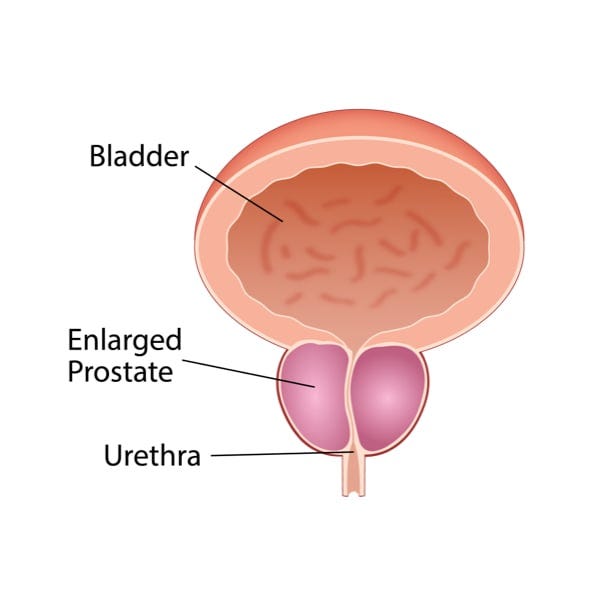
Here are the different types of surgical procedures commonly used to treat an enlarged prostate:

  1. Transurethral Resection of the Prostate (TURP):
  • TURP is the most common surgical procedure for BPH. It involves removing excess prostate tissue that is blocking urine flow through the urethra. During TURP, a special instrument called a resectoscope is inserted through the penis and into the urethra to reach the prostate. The surgeon then uses the resectoscope to trim away the obstructing tissue.

2. Transurethral Incision of the Prostate (TUIP):

  • TUIP is performed in cases where the prostate enlargement is mild to moderate. Instead of removing tissue, the surgeon makes small cuts in the prostate gland and bladder neck to widen the urethra and reduce obstruction. TUIP is associated with less risk of side effects such as retrograde ejaculation compared to TURP.

3. Laser Surgery:

  • Various types of laser surgery can be used to treat BPH. These include:
  • Laser Vaporization of the Prostate (LVP): A laser is used to destroy prostate tissue blocking the urethra.
  • Holmium Laser Enucleation of the Prostate (HoLEP): This technique involves using a laser to remove entire lobes of the prostate that are causing obstruction.
  • GreenLight Laser Therapy (Photoselective Vaporization of the Prostate, PVP): GreenLight laser is used to vaporize excess prostate tissue.

4. Open Prostatectomy:

  • Open prostatectomy is generally reserved for very large prostates that cannot be effectively treated with less invasive methods. It involves making an incision in the lower abdomen to access and remove the obstructing prostate tissue. Open prostatectomy may be necessary when the prostate is significantly enlarged or when other surgical methods are not suitable.

5. Transurethral Microwave Thermotherapy (TUMT):

  • TUMT uses microwave energy to heat and destroy prostate tissue that is blocking the urethra. It is typically used for moderate BPH and is performed on an outpatient basis.

6. Prostatic Urethral Lift (UroLift):

  • UroLift is a relatively newer procedure where implants are placed in the prostate to lift and hold the enlarged tissue away from the urethra, improving urine flow. It is minimally invasive and does not involve removing prostate tissue.

Each surgical procedure for BPH has its own advantages, risks, and considerations. The choice of procedure depends on factors such as the size of the prostate, the patient’s overall health, and the surgeon’s expertise. Before undergoing any surgical treatment, patients should discuss their options thoroughly with their healthcare provider to determine the most suitable approach for their individual condition.

Comments

Popular posts from this blog

Dr. Deepesh Kalra – Leading Urologist in Jaipur: Your Trusted Partner for Prostate Treatment & Circumcision

When it comes to urology, choosing the right specialist is essential for your health and well-being. In Jaipur, Dr. Deepesh Kalra stands out as a highly respected urologist, known for his expertise, patient-centered approach, and advanced medical treatments. With a strong commitment to providing the highest standard of care, Dr. Kalra specializes in a range of urological conditions, including prostate treatment and circumcision . Why Choose Dr. Deepesh Kalra for Urology Care in Jaipur? Dr. Deepesh Kalra is one of the leading urologists in Jaipur , offering comprehensive services for men and women dealing with a variety of urological issues. With years of experience and a passion for improving patient outcomes, he has earned a reputation for delivering personalized care and state-of-the-art treatments. Circumcision in Jaipur: A Safe and Effective Procedure Circumcision is a common surgical procedure that involves the removal of the foreskin of the penis. It is often recommende...

Dr. Deepesh Kalra: A Trusted Urologist in Jaipur Specializing in RIRS Surgery and Kidney Stone Treatment

When it comes to urological health, finding the right specialist is crucial. In Jaipur, Dr. Deepesh Kalra stands out as a renowned urologist known for his expertise in advanced treatments, particularly in RIRS surgery and kidney stone treatment. With years of experience and a patient-centric approach, Dr. Kalra is the go-to expert for individuals seeking effective solutions to their urological concerns. RIRS Surgery in Jaipur: A Modern Solution for Kidney Stones One of the leading procedures Dr. Deepesh Kalra specializes in is RIRS surgery , or Retrograde Intrarenal Surgery. This minimally invasive procedure is a breakthrough in kidney stone removal and is rapidly becoming the preferred method for treating stones that are difficult to reach through traditional methods. RIRS surgery involves the use of a flexible ureteroscope to access the kidney through the urinary tract. The procedure allows the urologist to locate and break down stones using lasers, without the need for any ext...

What are 5 stages of kidney failure?

  Kidney failure, also known as renal failure, is a serious medical condition where the kidneys lose their ability to function effectively. This impairment can lead to a buildup of waste and toxins in the body, causing various complications. Understanding the stages of kidney failure is crucial for both patients and healthcare providers to manage the condition effectively. Now ,we’ll explore the   five stages of kidney failure , their symptoms, causes, and potential treatments. Stage 1:  Kidney Damage with Normal or Increased Glomerular Filtration Rate (GFR) At this stage, there may be kidney damage, but the kidneys are still functioning relatively well. Patients may not experience any symptoms, and kidney function tests may show normal or slightly increased GFR (glomerular filtration rate), which measures how well the kidneys are filtering waste from the blood. Common causes of stage 1 kidney disease include diabetes, high blood pressure, and certain autoimmune diseases....