
Is RIRS surgery painful?

 RIRS (Retrograde Intrarenal Surgery) is a minimally invasive procedure used to treat kidney stones that are located within the kidney or upper ureter. One of the common concerns for individuals considering RIRS is whether the procedure is painful. 
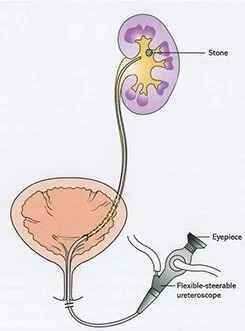
Here’s a detailed look at what RIRS entails and the associated pain management:

Understanding RIRS Procedure

  1. Minimally Invasive Approach: RIRS is performed using a thin, flexible scope (ureteroscope) that is passed through the urinary tract into the kidney. This scope allows the urologist to visualize the stone and use small instruments to break it into smaller pieces for removal.
  2. Anesthesia: RIRS is typically performed under general anesthesia or sometimes under spinal anesthesia. This means that during the procedure, you will be unconscious (general anesthesia) or numb from the waist down (spinal anesthesia), and therefore, you won’t experience any pain or discomfort during the surgery itself.
  3. Post-Procedure: After RIRS, some patients may experience mild discomfort or pain. This is usually managed effectively with pain medications prescribed by the urologist. The discomfort is often described as manageable and comparable to mild to moderate menstrual cramps or minor irritation in the bladder area.

Pain Management After RIRS

  1. Medications: Your healthcare team will provide pain medications to help manage any discomfort after the procedure. These medications may include over-the-counter pain relievers or stronger prescription medications depending on your individual needs.
  2. Fluid Intake: Drinking plenty of water and staying well-hydrated can also help minimize discomfort and aid in flushing out any remaining stone fragments after RIRS.
  3. Follow-Up Care: It’s important to follow all post-operative instructions provided by your urologist, which may include avoiding strenuous activities for a few days and taking medications as prescribed to prevent infection and manage pain.

Expected Recovery

Recovery from RIRS is generally quick, with many patients able to resume normal activities within a few days to a week after the procedure. The level of discomfort or pain experienced can vary depending on factors such as the size and location of the kidney stone, as well as individual pain tolerance.

Conclusion

While the idea of undergoing any surgical procedure can be daunting, RIRS is considered minimally invasive and generally well-tolerated by patients. With advancements in anesthesia and pain management techniques, discomfort during and after RIRS is kept to a minimum, allowing patients to undergo treatment for kidney stones with confidence in their comfort and recovery. If you have concerns about pain or discomfort related to RIRS, discussing them openly with your urologist can provide reassurance and ensure that you receive appropriate care and support throughout the process.


Comments

Popular posts from this blog

What are the benefits of circumcision?

  Circumcision, the surgical removal of the foreskin from the penis, has been a topic of medical and cultural discussion for many years. The   benefits of circumcision   can be categorized into several areas: medical, hygienic, sexual, and preventative. Medical Benefits 1. Reduced Risk of Urinary Tract Infections (UTIs): — Circumcised males, particularly infants, have a lower risk of developing UTIs. UTIs can lead to serious kidney problems if left untreated. 2. Decreased Risk of Certain Sexually Transmitted Infections (STIs): — Circumcision has been shown to reduce the risk of acquiring certain STIs, including HIV, human papillomavirus (HPV), herpes simplex virus (HSV), and syphilis. 3. Prevention of Penile Problems: — Circumcision can prevent conditions such as phimosis (tight foreskin that cannot be retracted), paraphimosis (swollen foreskin trapped behind the head of the penis), and balanitis (inflammation of the glans). 4. Reduced Risk of Penile Cancer: — Although ra...

What are 5 stages of kidney failure?

  Kidney failure, also known as renal failure, is a serious medical condition where the kidneys lose their ability to function effectively. This impairment can lead to a buildup of waste and toxins in the body, causing various complications. Understanding the stages of kidney failure is crucial for both patients and healthcare providers to manage the condition effectively. Now ,we’ll explore the   five stages of kidney failure , their symptoms, causes, and potential treatments. Stage 1:  Kidney Damage with Normal or Increased Glomerular Filtration Rate (GFR) At this stage, there may be kidney damage, but the kidneys are still functioning relatively well. Patients may not experience any symptoms, and kidney function tests may show normal or slightly increased GFR (glomerular filtration rate), which measures how well the kidneys are filtering waste from the blood. Common causes of stage 1 kidney disease include diabetes, high blood pressure, and certain autoimmune diseases....

How Long Does It Take to Pass a Kidney Stone?

 Passing a kidney stone can be a challenging experience, and understanding the timeframe and factors involved can help manage expectations and guide treatment decisions. In this article, we’ll explore how long it typically takes to pass a kidney stone, what factors influence this duration, and what you can do to ease the process. 1. Typical Timeframe for Passing a Kidney Stone On average, most small kidney stones pass out of the body within 2 to 6 weeks from the onset of symptoms. This duration can vary depending on several factors, including the size and location of the stone, as well as the individual’s overall health. Here’s a breakdown of the typical timeframes: Small Stones (Less than 5 mm) : Stones of this size often pass on their own within 1 to 2 weeks . Many patients experience relief within this relatively short period. Medium Stones (5–10 mm) : Stones of this size may take 2 to 4 weeks to pass. Medical interventions might be considered if the stone does not pass ...