
How can I prevent urological problems?

 Preventing urological problems involves adopting healthy lifestyle habits and being proactive about your urological health. Here’s a comprehensive guide on how to prevent urological issues:
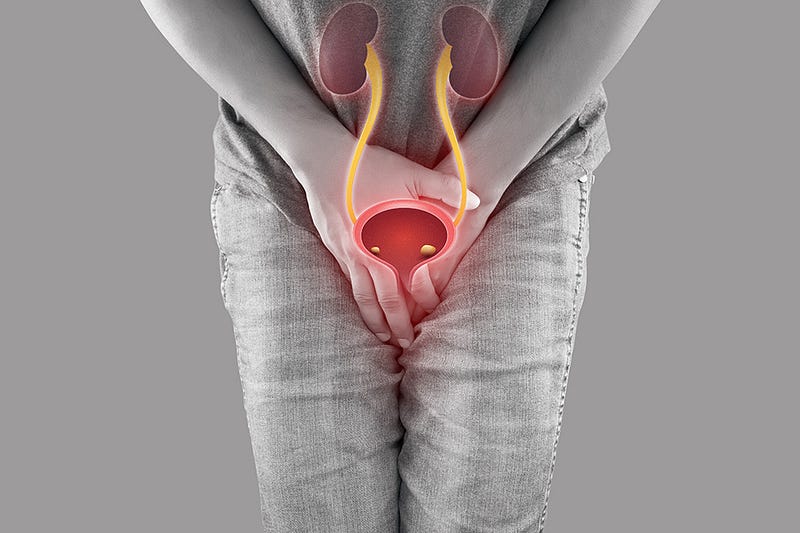
Healthy Diet and Hydration

  1. Stay Hydrated: Drink plenty of water throughout the day to maintain good urinary tract health.
  2. Eat a Balanced Diet: Include fruits, vegetables, whole grains, and lean proteins to promote overall health and prevent obesity, which is linked to urological issues like kidney stones and urinary incontinence.

Maintain a Healthy Weight

  1. Exercise Regularly: Aim for at least 30 minutes of moderate physical activity most days of the week to maintain a healthy weight and promote good circulation.
  2. Avoid Smoking: Smoking can increase the risk of bladder cancer and other urological conditions.

Practice Good Bathroom Habits

  1. Urinate Regularly: Don’t hold in urine for extended periods, as it can contribute to urinary tract infections (UTIs) and other issues.
  2. Proper Hygiene: Keep the genital area clean and dry to prevent infections.

Manage Chronic Conditions

  1. Control Diabetes: High blood sugar levels can damage the kidneys over time.
  2. Manage Hypertension: High blood pressure can also impact kidney function.

Be Aware of Family History

Know Your Risk Factors: Certain urological conditions like kidney stones and prostate cancer can run in families. Understanding your family history can help you take preventive measures.

Practice Safe Sex

Use Protection: Practice safe sex to reduce the risk of sexually transmitted infections (STIs) that can lead to urological complications.

Regular Medical Check-ups

  1. Annual Physicals: Visit your healthcare provider regularly for check-ups, especially if you have symptoms such as blood in the urine, changes in urinary habits, or pelvic pain.
  2. Screening Tests: For men over 50, or earlier if there’s a family history, regular prostate exams and screenings are crucial.

Avoid Risky Behaviors

  1. Limit Alcohol: Excessive alcohol consumption can affect bladder function and increase the risk of kidney disease.
  2. Be Cautious with Medications: Certain medications can affect kidney function; always take them as prescribed and inform your doctor of any changes in your health.

Practice Stress Management

Reduce Stress: Chronic stress can contribute to pelvic floor dysfunction and urinary problems. Practice relaxation techniques such as yoga, meditation, or deep breathing exercises.

Conclusion

Taking proactive steps towards maintaining urological health not only reduces the risk of developing problems but also improves overall quality of life. By adopting a healthy lifestyle, managing chronic conditions, and staying informed about potential risks, you can significantly lower your chances of encountering urological issues later in life. Always consult with your healthcare provider for personalized advice and guidance on maintaining optimal urological health.

Comments

Popular posts from this blog

Dr. Deepesh Kalra – Leading Urologist in Jaipur: Your Trusted Partner for Prostate Treatment & Circumcision

When it comes to urology, choosing the right specialist is essential for your health and well-being. In Jaipur, Dr. Deepesh Kalra stands out as a highly respected urologist, known for his expertise, patient-centered approach, and advanced medical treatments. With a strong commitment to providing the highest standard of care, Dr. Kalra specializes in a range of urological conditions, including prostate treatment and circumcision . Why Choose Dr. Deepesh Kalra for Urology Care in Jaipur? Dr. Deepesh Kalra is one of the leading urologists in Jaipur , offering comprehensive services for men and women dealing with a variety of urological issues. With years of experience and a passion for improving patient outcomes, he has earned a reputation for delivering personalized care and state-of-the-art treatments. Circumcision in Jaipur: A Safe and Effective Procedure Circumcision is a common surgical procedure that involves the removal of the foreskin of the penis. It is often recommende...

Dr. Deepesh Kalra: A Trusted Urologist in Jaipur Specializing in RIRS Surgery and Kidney Stone Treatment

When it comes to urological health, finding the right specialist is crucial. In Jaipur, Dr. Deepesh Kalra stands out as a renowned urologist known for his expertise in advanced treatments, particularly in RIRS surgery and kidney stone treatment. With years of experience and a patient-centric approach, Dr. Kalra is the go-to expert for individuals seeking effective solutions to their urological concerns. RIRS Surgery in Jaipur: A Modern Solution for Kidney Stones One of the leading procedures Dr. Deepesh Kalra specializes in is RIRS surgery , or Retrograde Intrarenal Surgery. This minimally invasive procedure is a breakthrough in kidney stone removal and is rapidly becoming the preferred method for treating stones that are difficult to reach through traditional methods. RIRS surgery involves the use of a flexible ureteroscope to access the kidney through the urinary tract. The procedure allows the urologist to locate and break down stones using lasers, without the need for any ext...

What are 5 stages of kidney failure?

  Kidney failure, also known as renal failure, is a serious medical condition where the kidneys lose their ability to function effectively. This impairment can lead to a buildup of waste and toxins in the body, causing various complications. Understanding the stages of kidney failure is crucial for both patients and healthcare providers to manage the condition effectively. Now ,we’ll explore the   five stages of kidney failure , their symptoms, causes, and potential treatments. Stage 1:  Kidney Damage with Normal or Increased Glomerular Filtration Rate (GFR) At this stage, there may be kidney damage, but the kidneys are still functioning relatively well. Patients may not experience any symptoms, and kidney function tests may show normal or slightly increased GFR (glomerular filtration rate), which measures how well the kidneys are filtering waste from the blood. Common causes of stage 1 kidney disease include diabetes, high blood pressure, and certain autoimmune diseases....