Kidney stones are a common and often painful condition where hard mineral deposits form in the kidneys. While treatment can effectively manage and sometimes eliminate these stones, many people wonder if kidney stones can recur after treatment. The short answer is yes — kidney stones can come back. Here’s why and what you can do to reduce the risk of recurrence.
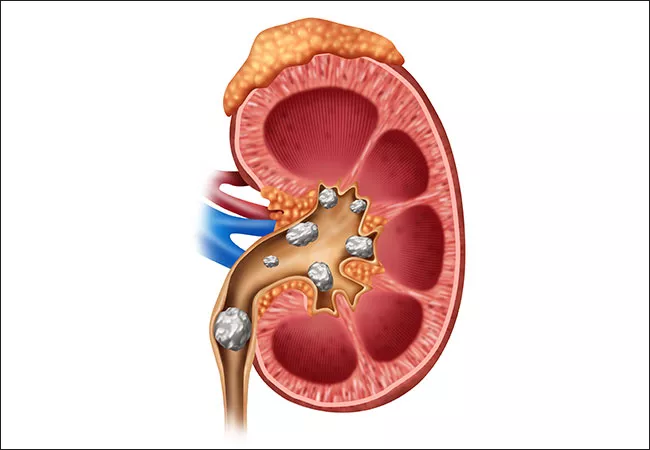
Understanding Kidney Stones and Their Recurrence
Kidney stones form when certain substances in the urine become highly concentrated and crystallize. The most common types of stones are calcium oxalate, calcium phosphate, uric acid, and struvite stones. The likelihood of recurrence can depend on several factors:
- Type of Stone: Different types of stones have different risk factors and underlying causes. For example, calcium oxalate stones are the most common and can be influenced by dietary factors, while uric acid stones may be related to high levels of uric acid in the urine, often due to diet or metabolic conditions.
- Underlying Conditions: Some medical conditions, like hyperparathyroidism or certain genetic disorders, can predispose individuals to recurrent stone formation. Chronic dehydration or metabolic issues also play a significant role.
- Lifestyle and Dietary Factors: Diet and hydration are critical in the formation of kidney stones. Consuming a diet high in sodium, oxalate-rich foods, or animal proteins can increase the risk of stone formation. Conversely, insufficient fluid intake can lead to more concentrated urine and a higher likelihood of stone formation.
- Incomplete Treatment: If kidney stones are not entirely removed or if the underlying cause is not addressed, stones can potentially recur. Sometimes, fragments from the original stones can remain in the urinary tract and grow into new stones.
Prevention Strategies
To reduce the risk of kidney stones coming back, consider the following strategies:
- Stay Hydrated: Drinking plenty of fluids helps to dilute the urine, making it less likely for stones to form. Aim for at least 8–10 glasses of water a day, and more if you live in a hot climate or are physically active.
- Modify Your Diet: Depending on the type of stone, dietary changes may be necessary:
- For calcium oxalate stones: Limit high-oxalate foods such as spinach, beets, and nuts.
- For uric acid stones: Reduce consumption of red meat, shellfish, and foods high in purines.
3. Medications: Your healthcare provider may prescribe medications to help prevent stones from forming, especially if you have a history of recurrent stones. These may include diuretics or medications that alter the chemical composition of urine.
4. Regular Check-ups: Regular follow-up appointments with your healthcare provider can help monitor for any potential recurrence of stones and ensure that any preventative measures are effective.
5. Address Underlying Conditions: Managing any medical conditions that contribute to stone formation is crucial. For example, treating metabolic disorders or addressing hormonal imbalances can reduce the risk of stones.
When to Seek Medical Advice
If you experience symptoms of kidney stones — such as severe pain in the back or side, pain during urination, or blood in the urine — seek medical attention promptly. Early intervention can prevent complications and manage pain effectively.
Conclusion
While kidney stones can indeed come back after treatment, understanding the underlying causes and taking proactive steps can significantly reduce the risk of recurrence. By staying hydrated, making dietary adjustments, and following your healthcare provider’s recommendations, you can manage your risk and maintain kidney health. If you have concerns about kidney stones or their recurrence, discuss them with your healthcare provider for personalized advice and management strategies.
Comments
Post a Comment