
How is RIRS Surgery Performed?

 Retrograde Intrarenal Surgery (RIRS) is a minimally invasive procedure used to treat kidney stones and certain other urological conditions. Here’s a detailed look at how RIRS surgery is typically performed:
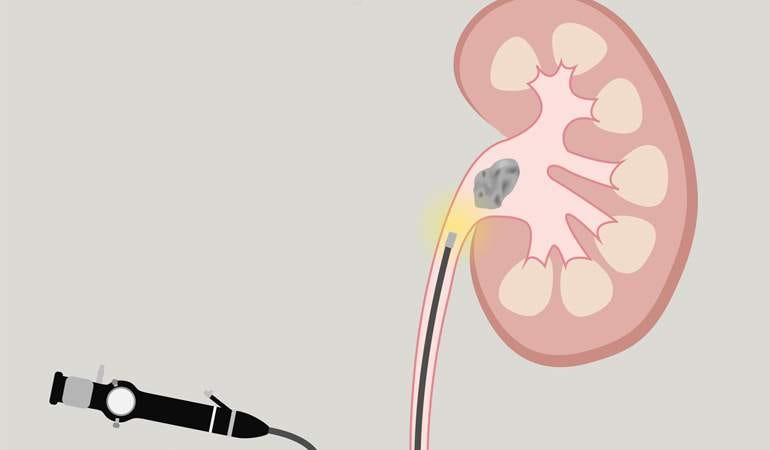
Preparing for RIRS Surgery

  1. Patient Evaluation: Before the procedure, the patient undergoes a comprehensive evaluation, including imaging tests like CT scans or ultrasound to locate and assess the size and number of kidney stones.
  2. Anesthesia: RIRS is usually performed under general anesthesia, although in some cases, local anesthesia with sedation may be used.

Steps Involved in RIRS Surgery

  1. Insertion of the Ureteroscope:
  • The surgeon inserts a flexible ureteroscope through the urethra and into the bladder. The ureteroscope is then advanced up the ureter into the kidney.

2. Navigating to the Kidney Stone:

  • Using the ureteroscope’s flexible tip and imaging capabilities (usually fiber-optic or digital), the surgeon navigates through the urinary tract to reach the kidney stone. The images from the scope are projected onto a monitor for visualization.

3. Stone Localization and Fragmentation:

  • Once the stone is located within the kidney or upper ureter, the surgeon may use various tools through the ureteroscope to break the stone into smaller fragments. This can include laser fiber, pneumatic lithotripsy (using bursts of air pressure), or ultrasound energy.

4. Stone Removal:

  • After fragmentation, the smaller stone pieces (fragments) are either removed using a small basket-like device or allowed to pass naturally through urine.

5. Post-operative Care:

  • Following the procedure, patients are monitored for a few hours to ensure there are no immediate complications, such as bleeding or infection. Pain management and hydration are typically part of the post-operative care plan.

Advantages of RIRS Surgery

  • Minimally Invasive: RIRS is less invasive compared to traditional open surgery, resulting in shorter recovery times and reduced risk of complications.
  • Effective for Complex Cases: RIRS is effective for treating larger or multiple kidney stones, as well as stones located in difficult-to-reach areas within the kidney.
  • Preserves Kidney Function: Unlike shockwave lithotripsy (SWL), RIRS allows direct visualization and targeted treatment of stones while minimizing damage to surrounding kidney tissue.

Considerations and Potential Complications

  • Risk of Bleeding: Although rare, bleeding may occur during or after the procedure, requiring careful monitoring and, in some cases, additional interventions.
  • Infection: As with any invasive procedure, there is a slight risk of infection, which is typically minimized with appropriate sterile technique and antibiotic prophylaxis.

Conclusion

Retrograde Intrarenal Surgery (RIRS) has become a preferred choice for treating kidney stones and certain urological conditions due to its minimally invasive nature and high success rates. By utilizing advanced imaging and precise instruments, urologists can effectively manage kidney stones while promoting quicker recovery and preserving kidney function. As with any medical procedure, consultation with a qualified urologist is essential to determine the most appropriate treatment plan based on individual circumstances.

Comments

Popular posts from this blog

Dr. Deepesh Kalra – Leading Urologist in Jaipur: Your Trusted Partner for Prostate Treatment & Circumcision

When it comes to urology, choosing the right specialist is essential for your health and well-being. In Jaipur, Dr. Deepesh Kalra stands out as a highly respected urologist, known for his expertise, patient-centered approach, and advanced medical treatments. With a strong commitment to providing the highest standard of care, Dr. Kalra specializes in a range of urological conditions, including prostate treatment and circumcision . Why Choose Dr. Deepesh Kalra for Urology Care in Jaipur? Dr. Deepesh Kalra is one of the leading urologists in Jaipur , offering comprehensive services for men and women dealing with a variety of urological issues. With years of experience and a passion for improving patient outcomes, he has earned a reputation for delivering personalized care and state-of-the-art treatments. Circumcision in Jaipur: A Safe and Effective Procedure Circumcision is a common surgical procedure that involves the removal of the foreskin of the penis. It is often recommende...

Dr. Deepesh Kalra: A Trusted Urologist in Jaipur Specializing in RIRS Surgery and Kidney Stone Treatment

When it comes to urological health, finding the right specialist is crucial. In Jaipur, Dr. Deepesh Kalra stands out as a renowned urologist known for his expertise in advanced treatments, particularly in RIRS surgery and kidney stone treatment. With years of experience and a patient-centric approach, Dr. Kalra is the go-to expert for individuals seeking effective solutions to their urological concerns. RIRS Surgery in Jaipur: A Modern Solution for Kidney Stones One of the leading procedures Dr. Deepesh Kalra specializes in is RIRS surgery , or Retrograde Intrarenal Surgery. This minimally invasive procedure is a breakthrough in kidney stone removal and is rapidly becoming the preferred method for treating stones that are difficult to reach through traditional methods. RIRS surgery involves the use of a flexible ureteroscope to access the kidney through the urinary tract. The procedure allows the urologist to locate and break down stones using lasers, without the need for any ext...

What are 5 stages of kidney failure?

  Kidney failure, also known as renal failure, is a serious medical condition where the kidneys lose their ability to function effectively. This impairment can lead to a buildup of waste and toxins in the body, causing various complications. Understanding the stages of kidney failure is crucial for both patients and healthcare providers to manage the condition effectively. Now ,we’ll explore the   five stages of kidney failure , their symptoms, causes, and potential treatments. Stage 1:  Kidney Damage with Normal or Increased Glomerular Filtration Rate (GFR) At this stage, there may be kidney damage, but the kidneys are still functioning relatively well. Patients may not experience any symptoms, and kidney function tests may show normal or slightly increased GFR (glomerular filtration rate), which measures how well the kidneys are filtering waste from the blood. Common causes of stage 1 kidney disease include diabetes, high blood pressure, and certain autoimmune diseases....